
Hip & knee replacement · Portland, Oregon
503-231-1426Patient portal

Hip arthritis and replacement

Hip care starts with the right diagnosis.

Hip · Keep moving forward

From pain to a plan

01

Tell us what has changed

Where the pain is, when it appears, and what it has made harder give us the starting point.

02

Confirm the source

History, examination, and imaging help determine whether the hip joint, a tendon, a bursa, the spine, or another structure is driving the pain.

03

Choose the next useful step

The plan may begin with activity changes, exercise, medication, or a selected injection. Replacement becomes reasonable when arthritis continues to limit function despite appropriate nonsurgical care.

Muscle-sparing hip replacement

The Direct Superior (DS) Approach

The approach matters because recovery should support your life, not become your life. The Direct Superior route is designed to spare key muscles while supporting stability, function, and an enhanced recovery.
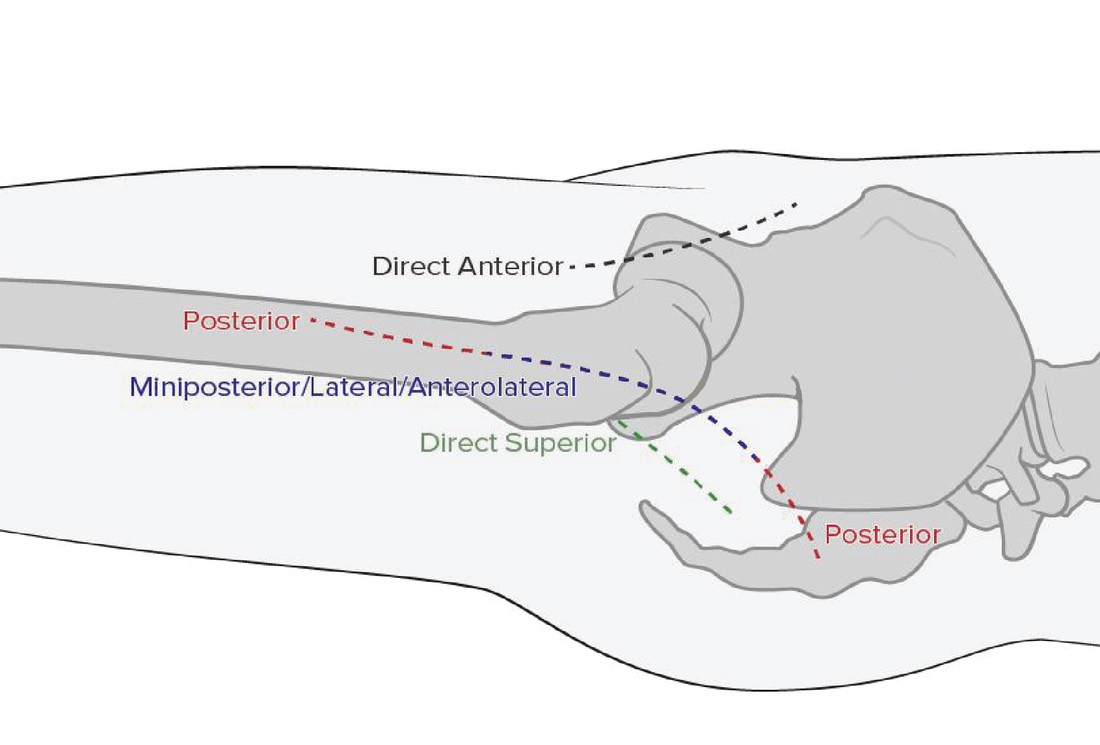
Side-view illustration comparing Direct Anterior, Posterior, Miniposterior, Lateral, Anterolateral, and Direct Superior hip approach pathways
  • Direct Anterior
  • Posterior
  • Miniposterior / Lateral / Anterolateral
  • Direct Superior
The green line shows the focused Direct Superior pathway above the traditional posterior route.

What makes it different

  • Muscle-sparingThe Direct Superior Technique approaches the hip from above and behind. It preserves the iliotibial band, the main hip abductor muscles, and the piriformis while providing reliable access for precise implant placement.
  • Lower blood lossLess soft-tissue disruption is associated with less bleeding during surgery.
  • Lower complication riskPreserving the structures that support the hip reduces approach-related complications.
  • Designed for stability and functionPrecise implant positioning and preserved soft tissues are intended to support a stable, functional hip.
  • No routine hip precautionsDr. Fischer's recovery protocol does not require the traditional list of prohibited hip positions.

The safest surgical plan is the one that fits your anatomy, health, prior surgery, spine mobility, and recovery goals.

Common diagnoses

Conditions we evaluate

Hip pain can arise from several structures. The examination should determine whether the joint itself is the primary source before treatment is recommended.

OsteoarthritisPost-traumatic arthritisAvascular necrosisHip painBursitisPrior hip replacement problems

A first visit is not a commitment to surgery

Find out what is actually driving your hip pain.