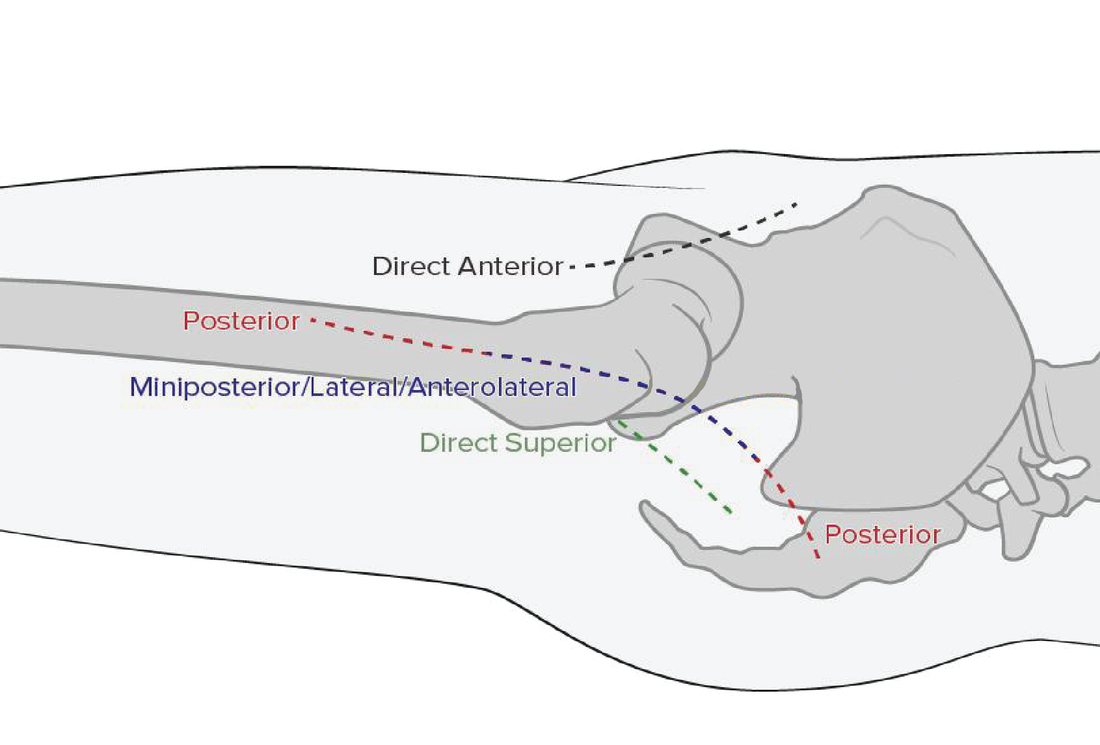
Direct Superior Approach
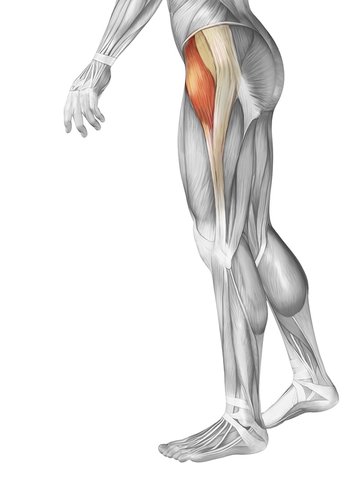
The Direct Superior approach is a modern technique for total hip replacement designed to protect important muscles and tendons around the hip. Instead of rotating the leg into extreme positions during surgery, the incision and exposure are planned to work around the normal anatomy.
In Portland, I currently offer this approach to patients who are appropriate candidates. The goal is straightforward: less soft‑tissue disruption, more stable implants, and a smoother recovery with fewer restrictions.
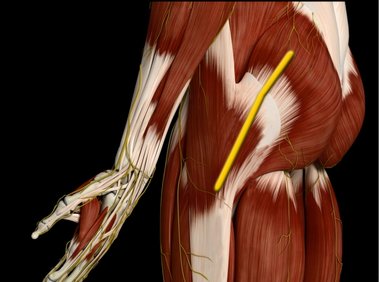
Traditional Hip Replacement
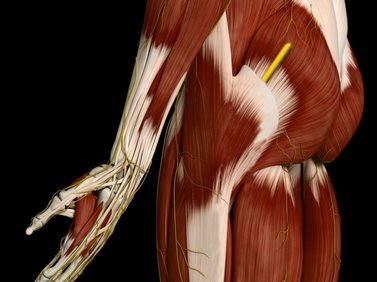
Direct Superior Approach
The direct superior approach offers several benefits, including:
- Lower risk of hip dislocation compared with many traditional approaches
- Earlier walking and lower risk of complications linked to prolonged immobility
- No formal hip precautions after surgery for most patients
- Single, smaller incision with muscles and tendons left in their normal position
- Less leg manipulation, which can mean less pain and a more natural gait sooner
- Precise implant positioning to support long‑term function and durability
- Optimized for outpatient surgery and a rapid recovery
- Lower blood loss than many traditional techniques
- Overall, a recovery that’s typically more comfortable with fewer limitations
Procedure & Recovery
For the direct superior hip replacement approach, Dr. Fischer will make a single incision on the outside of the hip over the buttock region, which will allow adequate exposure to perform the surgery accurately and with very little soft tissue damage. He will work through the small incision and meticulously prepare the soft tissues around the hip joint, in order to place the hip implant with the least amount of trauma as possible.. After securely placing the implant, Dr. Fischer will repair the hip capsule in an anatomic position to restore the most natural hip function. After surgery, most patients have minimal post-operative pain which can regularly be controlled with Tylenol and NSAIDs.
Dr. Fischer’s patients usually stay one night in the hospital and are discharged to go home the next day after surgery. Some patients who are in good health and conditioning are candidates to have the procedure performed as an outpatient. This new approach requires less muscle dissection, yet still effectively provides the exposure necessary for precise component position. There are no staples or sutures to be removed after surgery, and patients are not limited by post-surgical restrictions or hip precautions.
As with traditional hip replacement surgery, physical rehabilitation is a critical component of recovery. Dr. Fischer will work with your physical therapist to compose a customized treatment plan with specific exercises to help increase your range of motion and restore your strength after surgery.